
Seeds of Resilience: Saving Our Past, Growing Our Future

The importance of seed saving for our gardens, our communities, and generations to come
Seeds carry the story of our journey on this earth. In their smallness they hold memory, resilience, and the promise of what is still to come.
They reflect our relationship with Mother Earth—with soil, water, plants, climate, and our connection to family, culture, community, and the generations who came before us. Inside every seed lives a lineage of survival, a record of adaptation, and an invitation to remember that no life unfolds alone.
Seeds are more than beginnings. They are continuity. They are the quiet evidence that life endures, that what is planted with care can outlast hardship, and that the future is always shaped by what we choose to tend. In this way, seeds are not only of the earth—they are also a reflection of us.
Why Saving Seeds Matters
For thousands of years, farmers and gardeners have carefully selected, saved, and shared seeds from the plants that nourished their families and communities. Over generations, this practice helped develop an extraordinary diversity of crops adapted to different soils, climates, growing seasons, and cultural traditions.
As our climate changes and growing conditions become less predictable, preserving genetic diversity gives us more options for the future. Different varieties carry different characteristics—tolerance to heat or drought, resistance to pests and diseases, distinctive flavors, and the ability to thrive under local conditions.
Here in New Mexico, where water is precious and farmers face the challenges of heat, drought, and variable growing seasons, locally adapted seeds are especially valuable. Seed saving preserves biodiversity, strengthens food security, protects cultural heritage, and connects neighbors through sharing.
The Art and Science of Seed Saving
Every seed is a living package of genetic information, stored energy, and potential. Successful seed saving begins with understanding how plants reproduce.
Beans, peas, lettuce, and tomatoes are relatively easy for beginners because they primarily self-pollinate. Corn, squash, and many melons readily cross-pollinate with compatible varieties and require more planning to preserve distinctive characteristics.
Open-pollinated varieties, when properly maintained, generally produce offspring similar to their parents. Heirlooms have been passed along over generations, often carrying meaningful histories. Seeds from deliberate F1 hybrids may not reproduce the same traits in the next generation.
Start Small: Saving Your Own Seeds
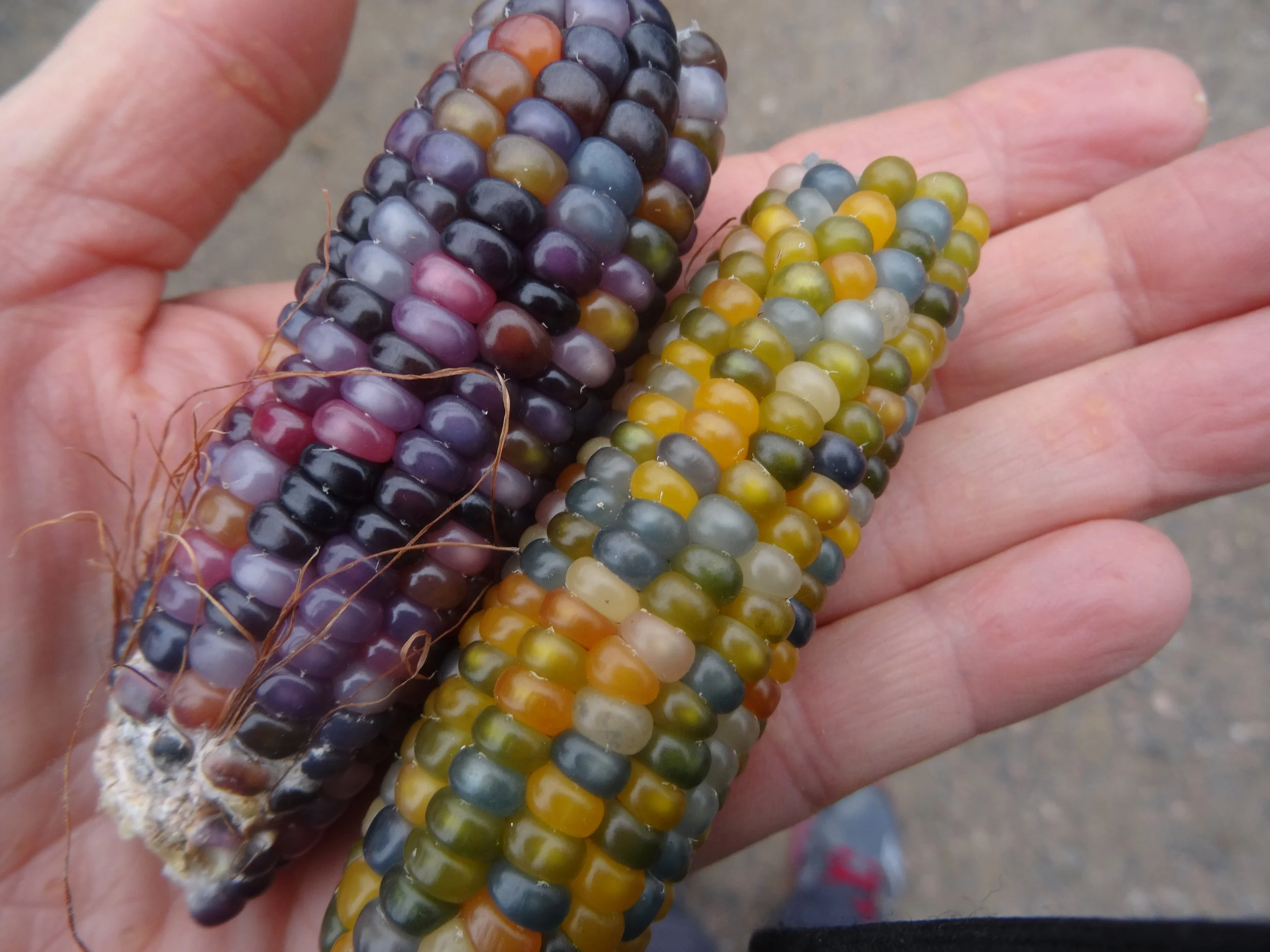
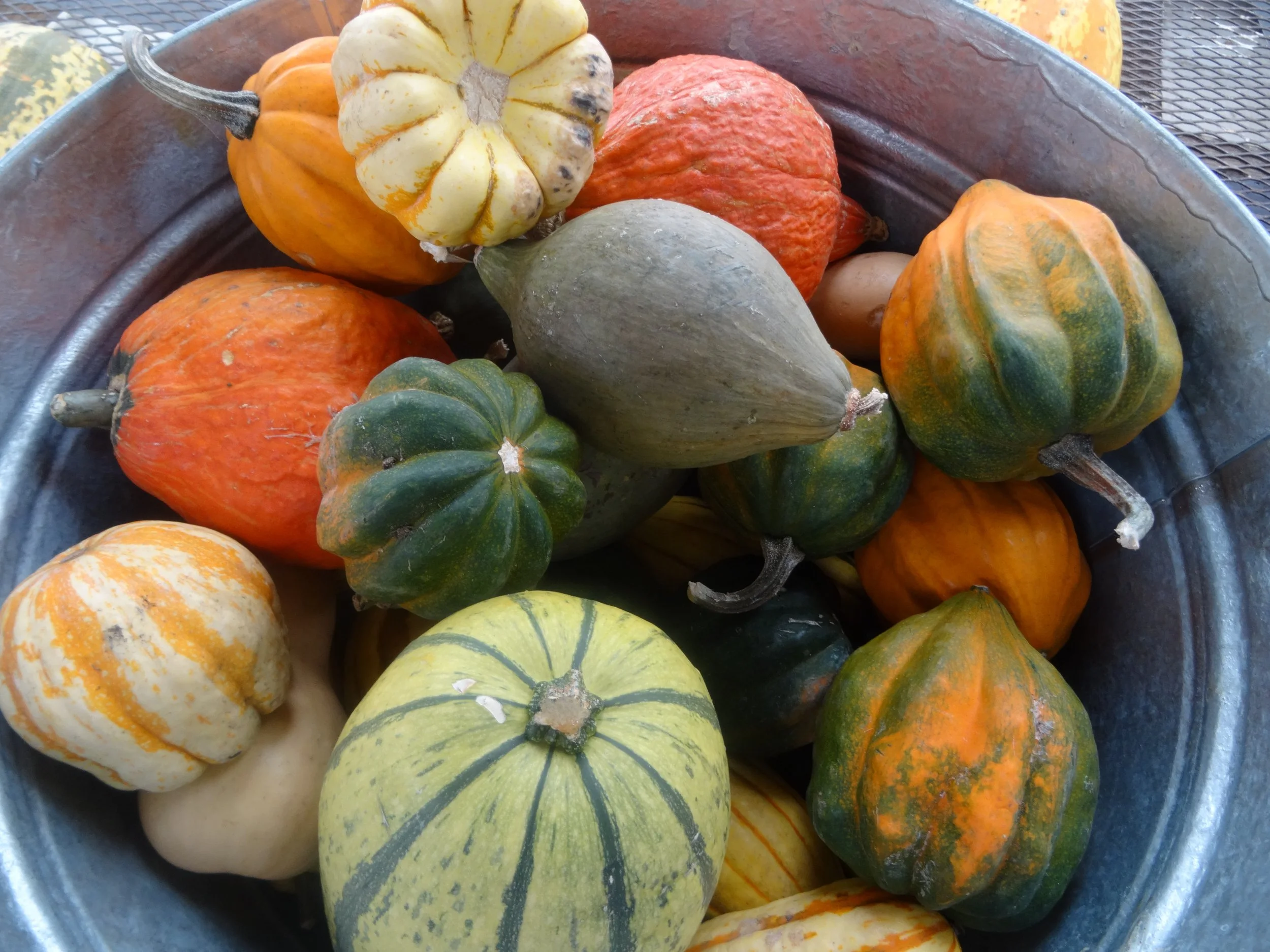
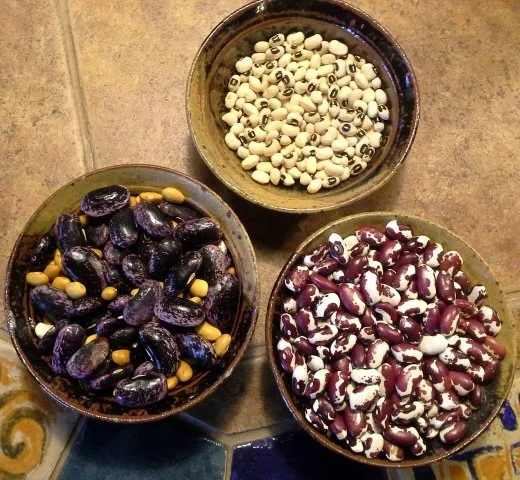
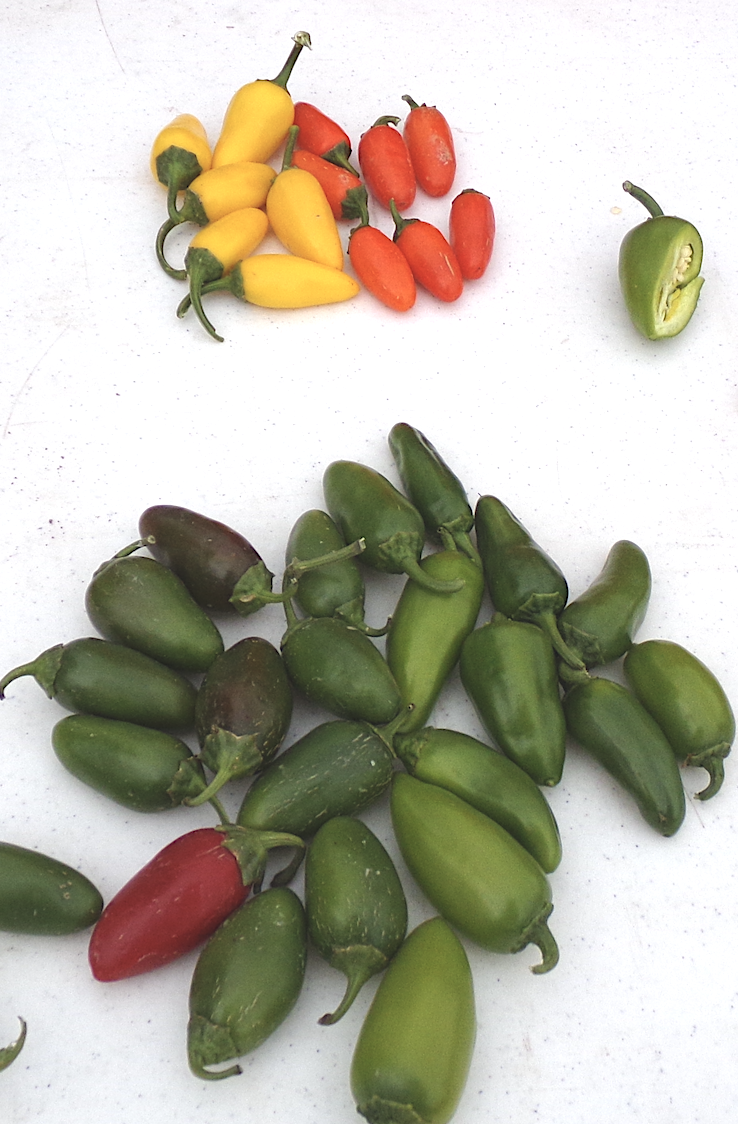
Begin with a favorite variety of beans, peas, lettuce, peppers, or tomatoes. Choose healthy, productive plants with characteristics you value, such as flavor, vigor, or tolerance to local growing conditions.
Allow seeds to mature fully before harvesting. Beans and peas can dry in their pods on the plant, while tomatoes require separating seeds from pulp. Dry cleaned seeds thoroughly and store them in a cool, dark, dry place. Label each collection with the crop, variety, harvest year, and notes about how the plants performed.
Whenever possible, save seeds from multiple healthy plants to help maintain genetic diversity. Each season, observe which varieties thrive in your soil, tolerate summer heat, and produce well with available water.
Seed Savers Exchange: Preserving Our Agricultural Heritage
Founded in 1975, Seed Savers Exchange preserves America’s culturally diverse and endangered garden and food crop heritage. At Heritage Farm in Iowa, it stewards a living collection of more than 20,000 varieties of seed crops and other cultivated plants.
Its gardener-to-gardener Exchange connects people sharing rare and open-pollinated seeds and their stories. The organization also offers practical seed-saving guides, workshops, and educational programs. Its work reminds us that seeds must continue to be grown, cared for, and shared.
Learn more: https://seedsavers.org/
Native Seeds/SEARCH: Keeping Southwestern Seeds and Traditions Alive
Based in Tucson, Native Seeds/SEARCH conserves arid-adapted crop diversity of the Greater Southwest. Its mission resonates in New Mexico, where Indigenous agricultural traditions and generations of seed stewardship have produced crops suited to challenging desert environments.
Programs include Native American Seed Share, the Partner Farmer Program, seed donations, and seed rematriation—the return of seeds to people or tribes with direct relationships to them. The organization also publishes Saving Seeds in the Southwest, a practical guide to seed stewardship in arid environments.
Learn more: https://www.nativeseeds.org/
A Living Legacy for Corrales
In Corrales, agriculture has long been shaped by the relationship between land, water, and community. Our gardens, orchards, and farms are part of a living landscape sustained by generations of knowledge and care.
Imagine neighbors exchanging seeds from chile plants that have thrived for decades, families preserving beloved beans, or young gardeners learning to harvest seeds from vegetables they grew. These small acts build a more diverse, locally rooted, resilient food system.
Every seed we save is a choice to carry life forward. Every seed we share is an act of hope.
Sources and further reading
Lynda Garvin, Ready… Set… Grow! Basic Seed Saving (presentation, 2020). Recording Learn how to save and store seeds from your garden!
NMUS Publication: Seed Saving for Home Gardeners and Small-Scale Farmers https://pubs.nmsu.edu/_h/H262/index.html
Seed Savers Exchange: https://seedsavers.org/learn/seed-saving/ ; https://seedsavers.org/preservation/
Native Seeds/SEARCH: https://www.nativeseeds.org/pages/our-programs ; https://www.nativeseeds.org/products/pb2017
NMSU Publication: Land Race Chiles of Northern New Mexico https://pubs.nmsu.edu/_circulars/CR679/
